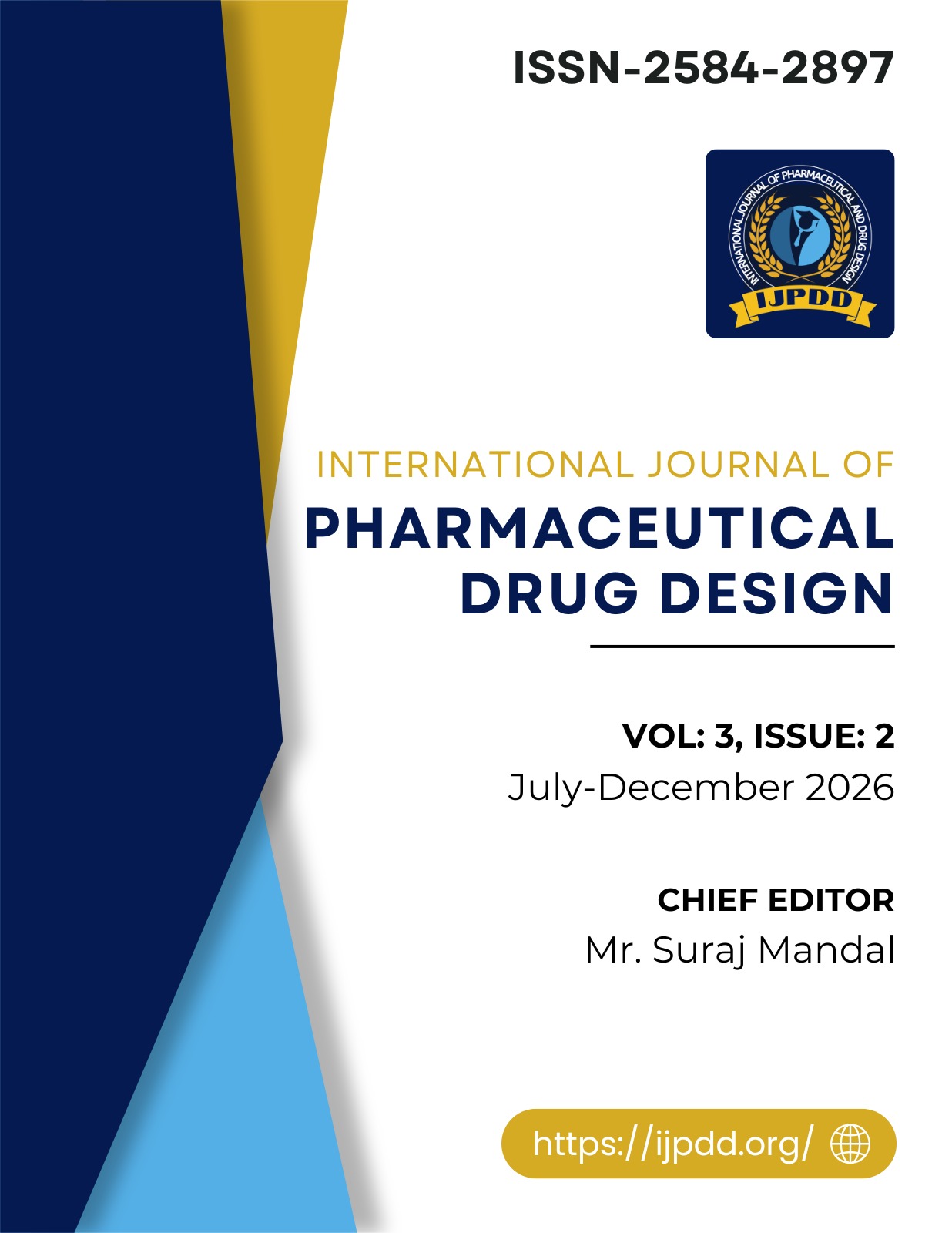
Regulatory Harmonization and Industry Collaboration for Pharmaceutical Products: Global Perspectives, Challenges, and Future Directions
DOI:
https://doi.org/10.62896/ijpdd.v3.i2.03Keywords:
Regulatory Harmonization; Pharmaceutical Regulation; Drug Regulatory Affairs; International Council for Harmonisation (ICH); World Health Organization (WHO); Regulatory Convergence; Pharmaceutical Industry; Global Health; Regulatory Collaboration; Drug Approval.Abstract
The rapid globalization of the pharmaceutical industry has intensified the need for regulatory harmonization and effective collaboration among regulatory authorities, pharmaceutical manufacturers, healthcare organizations, and international agencies. Variations in regulatory requirements across different jurisdictions often lead to duplication of clinical and non-clinical studies, extended approval timelines, increased development costs, and delayed patient access to innovative therapies. Regulatory harmonization seeks to establish scientifically aligned standard that streamline drug development, manufacturing, registration, postmarketing surveillance, and lifecycle management while ensuring the quality, safety, and efficacy of pharmaceutical products. This review provides a comprehensive overview of the evolution of global pharmaceutical regulatory frameworks and highlights the contributions of major harmonization initiatives led by the International Council for Harmonisation (ICH), World Health Organization (WHO), Pharmaceutical Inspection Co-operation Scheme (PIC/S), International Pharmaceutical Regulators Programme (IPRP), and leading national regulatory agencies, including the US Food and Drug Administration (US FDA), EuropeanMedicines Agency (EMA), Pharmaceuticals and Medical Devices Agency (PMDA), National Medical Products Administration (NMPA), South African Health Products Regulatory Authority (SAHPRA), and the Central Drugs Standard Control Organization (CDSCO). Furthermore, the review explores collaborative regulatory strategies to address emerging global healthcare challenges such as counterfeit and substandard medicines, antimicrobial resistance, endocrine-disrupting chemicals, digital transformation, regulatory reliance pathways, and international regulatory convergence. It also critically examines the existing challenges, opportunities, and future directions for strengthening global regulatory cooperation to enhance timely access to safe, effective, and high-quality medicines. Greater adoption of harmonized technical guidelines, digital regulatory innovations, reliance-based assessment models, and capacitybuilding initiatives among regulatory agencies is expected to improve regulatory efficiency, accelerate pharmaceutical innovation, and support sustainable healthcare systems worldwide.
Downloads
Published
Issue
Section
License
Copyright (c) 2026 Author(s)

This work is licensed under a Creative Commons Attribution-NonCommercial 4.0 International License.